Welcome to the Shunkaen Bonsai Museum.
For anyone visiting Tokyo with an interest in Japanese culture, gardens, art, or simply the quieter side of the city, Shunkaen offers a fascinating glimpse into the extraordinary world of bonsai. This is not simply a museum where you walk past objects behind glass. Bonsai are living works of art, shaped and cared for over years — and sometimes generations. From the moment I arrived the atmosphere felt very different from the Tokyo I had been exploring.
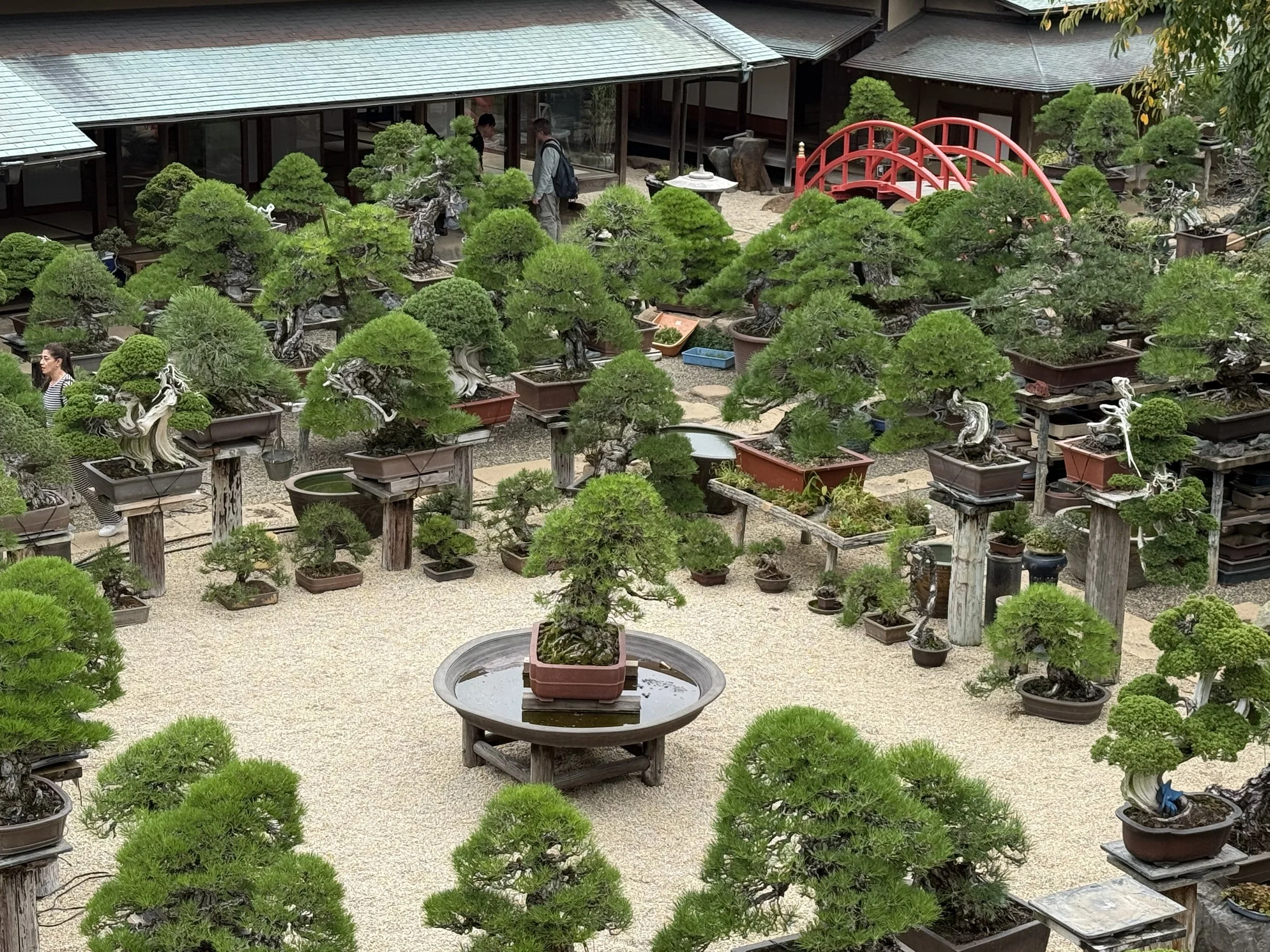
Shunkaen Bonsai Museum Tokyo, Japan.
A step into a quieter world
The museum is home to an impressive collection of bonsai displayed within traditional Japanese surroundings. As I wandered through the grounds, I found myself naturally slowing down and taking more time to appreciate what was around me. Bonsai encourages you to look closely.
At first glance, you may simply see a small tree in a pot. But look for a little longer, and you begin to notice the details: the movement of the trunk, the carefully arranged branches, the texture of the aged bark, and the way each tree seems to suggest an entire landscape in miniature. Some of the bonsai made me forget just how small they really were. A twisted pine could resemble an ancient tree clinging to the windswept mountainside, while another looked as though it belonged deep in the quiet forest rather than sitting in a carefully chosen container.
That was one of the things that surprised me most about visiting Shunkaen. I began to realise that bonsai is not simply about making trees small. It is about creating a sense of nature, age and character within a remarkably small space.
More than a collection of tiny trees
One of the things that makes Shunkaen especially interesting is the setting itself. The museum combines bonsai with traditional Japanese architecture and garden spaces, creating an experience that feels much more immersive than a conventional museum visit. As I wandered around, I found myself taking in not only the bonsai but also the surroundings. There are traditional garden features, including a koi pond, along with spaces designed to reflect the way bonsai and other forms of Japanese art have traditionally been displayed.
There is also the opportunity to encounter suiseki — naturally shaped stones appreciated for their ability to suggest mountains, islands, waterfalls and other landscapes. Displayed alongside bonsai, these stones add another fascinating layer to the experience.
It was one of those places where I found myself taking longer than expected. Whether you enjoy photography, gardens or simply sitting quietly and taking in your surroundings, it is easy to lose track of time.

Meeting Kunio Kobayashi, the renowned Japanese bonsai master and owner of Shunkaen Bonsai Museum
The art of patience
Perhaps the most remarkable thing about bonsai is the amount of time behind each tree. A bonsai may take years — or even decades — to develop. Branches are carefully guided, trunks are shaped, and every stage of the tree’s growth requires patience and attention.
Standing in front of some of the older bonsai, I couldn’t help but think about how much care and dedication had gone into creating them. We live in a world where we often expect quick results. Bonsai offers almost the complete opposite. It is an art based on patience.
A tree may be worked on for years before it begins to resemble the image its artist originally imagined. Even then, the work continues. For me, this was one of the most memorable aspects of the museum. You are not looking at finished artwork; you are looking at something alive — something that has changed over time and will continue to change long after your visit is over.
A chance to get hands-on
For visitors who want more than simply looking, Shunkaen also offers bonsai workshops. These experiences can introduce beginners to some of the basic techniques involved in creating and shaping a bonsai. The idea of wiring and shaping a young tree might sound intimidating, but workshops offer the opportunity to learn more about the techniques involved, and gain a better understanding of the skill behind the art.
I think this would give visitors a completely new appreciation for the bonsai they see around the museum. Once you have tried to consider the shape of the trunk or the position of a branch for yourself, you may look at a mature bonsai in a completely different way.
The workshop experience is particularly appealing because bonsai can initially appear mysterious to beginners. Seeing the finished tress is impressive, but having even a small part of the process makes the art feel much more accessible.
Don’t expect a rushed tourist attraction
Shunkaen Bonsai Museum is probably best enjoyed slowly. This is not the kind of place where you need to rush from one famous exhibit to the next, ticking items off a sightseeing list. Instead, it is somewhere to wander, observe and appreciate the small details. After spending time surrounded by Tokyo’s crowds, bright lights and busy streets, Shunkaen felt like a welcome pause.
A different side of Tokyo
One of the best reasons to visit Shunkaen is that is offers a different perspective on Tokyo. The city is famous for its futuristic technology, enormous shopping districts and lively nightlife, but Tokyo is also a place where traditional culture continues to thrive.
At Shunkaen the pace is slower, The focus is on nature.
And yet, even here, human creativity is everywhere. Every bonsai reflects decisions made by the artist over many years. The challenge is to shape the tree without making it appear artificial — to guide nature while still allowing the tree’s own character to remain visible.
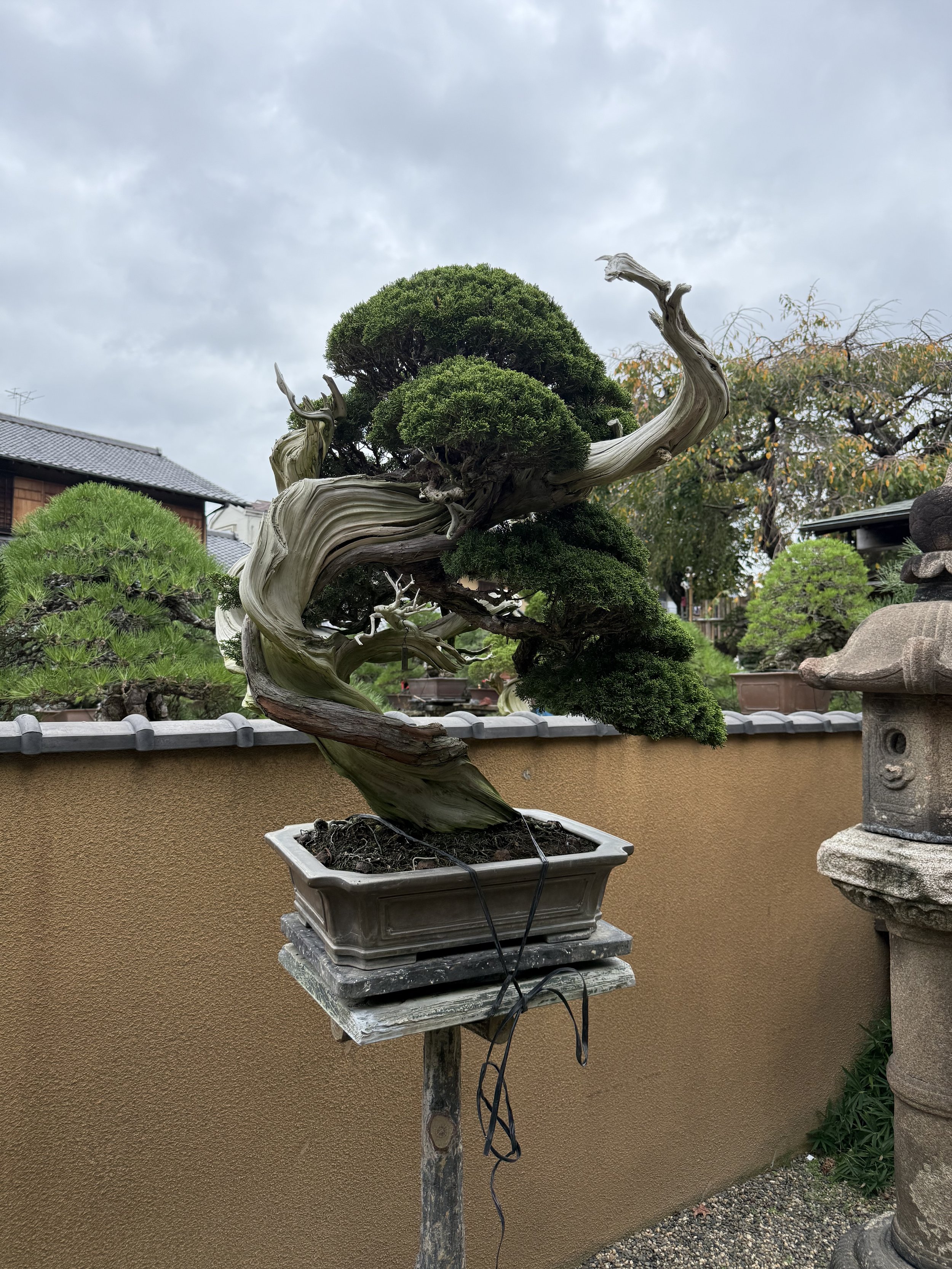
It is a delicate balance, and that balance is at the heart of the bonsai experience.